The Farm
Our farm is located in Markendorf, a district of Frankfurt (Oder)
After a long search for a suitable field, we found the perfect breeding ground for PlantAge here – in both senses of the word. Getting to our fields in Markendorf is easier than you’d think, thanks to a surprisingly smooth connection! The tram takes you almost right to the edge of the farm, making fresh veggies just a ride away.
Tried to Geocode:
Error Type:
Please be sure to follow the tutorial on how to setup the Google APIs required for the Advanced Google Map Widget.
Google Map API Key Tutorial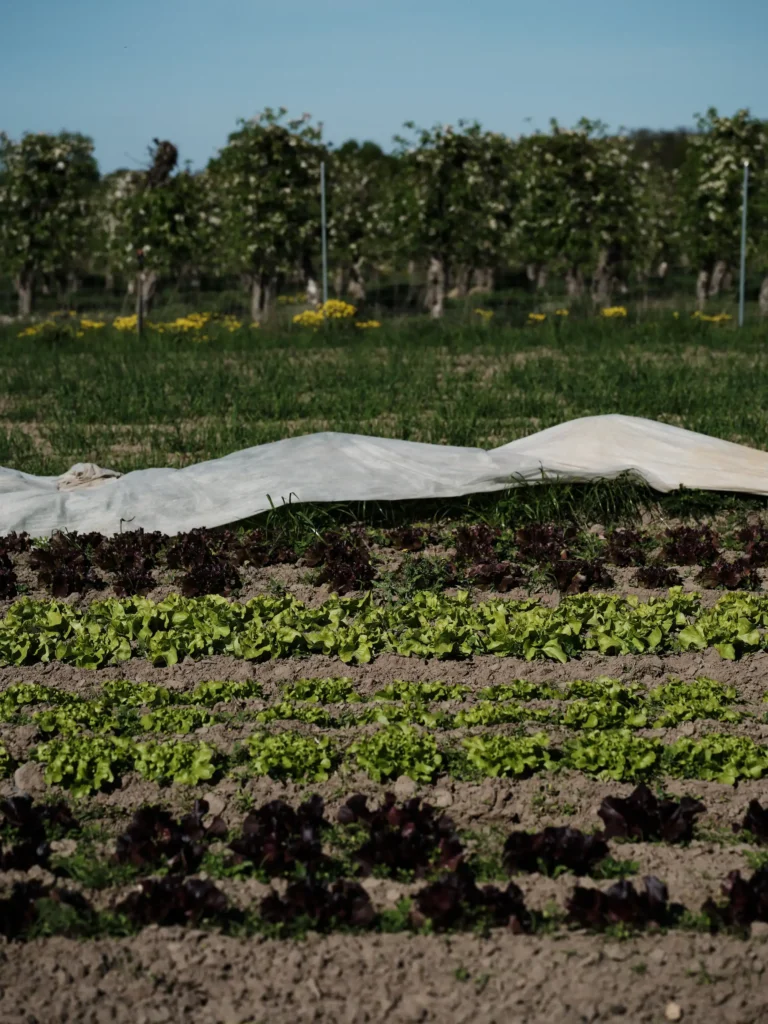
The agricultural landscape in this region, dominated by fruit cultivation, is changing – many businesses are facing closure due to a lack of young talent and growing economic pressure. We are all the more pleased by the open and supportive attitude of the local farmers, who have welcomed our young initiative and given us a chance to create PlantAge according to our vision.
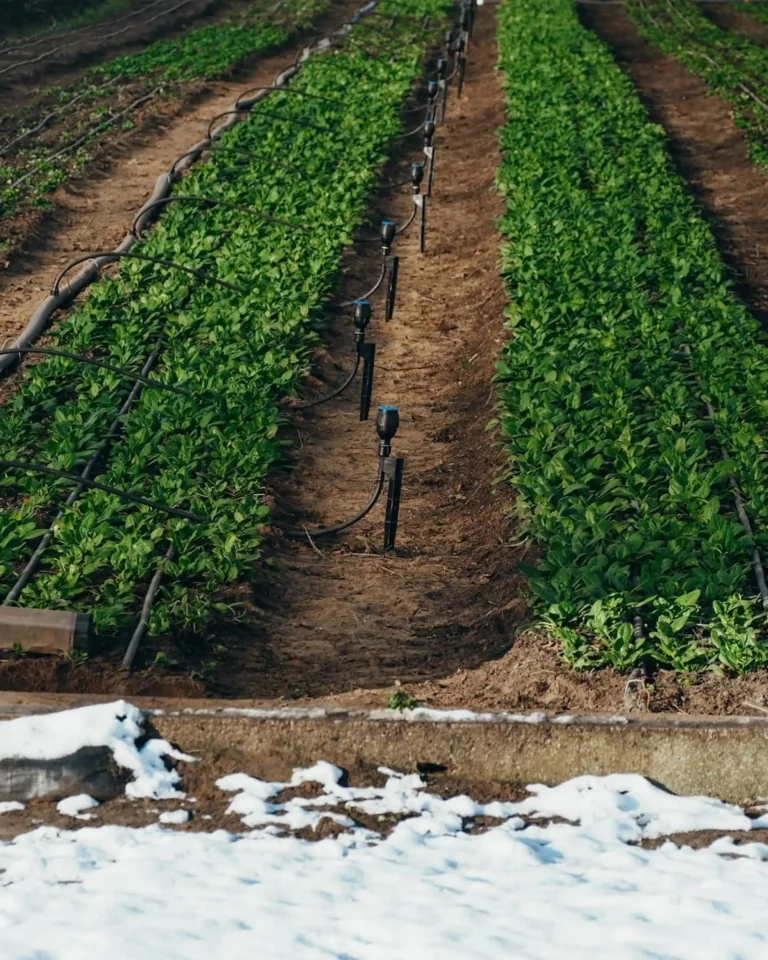
Since our launch in 2019 with around 6 hectares, PlantAge has grown steadily. Today, we cultivate around 40 hectares of land – including areas for vegetables, potatoes, fruit, and green manure. Our numerous flower strips, extensive orchards with tall trees, and fallow land are also particularly important for nature conservation and the diversity of the landscape.
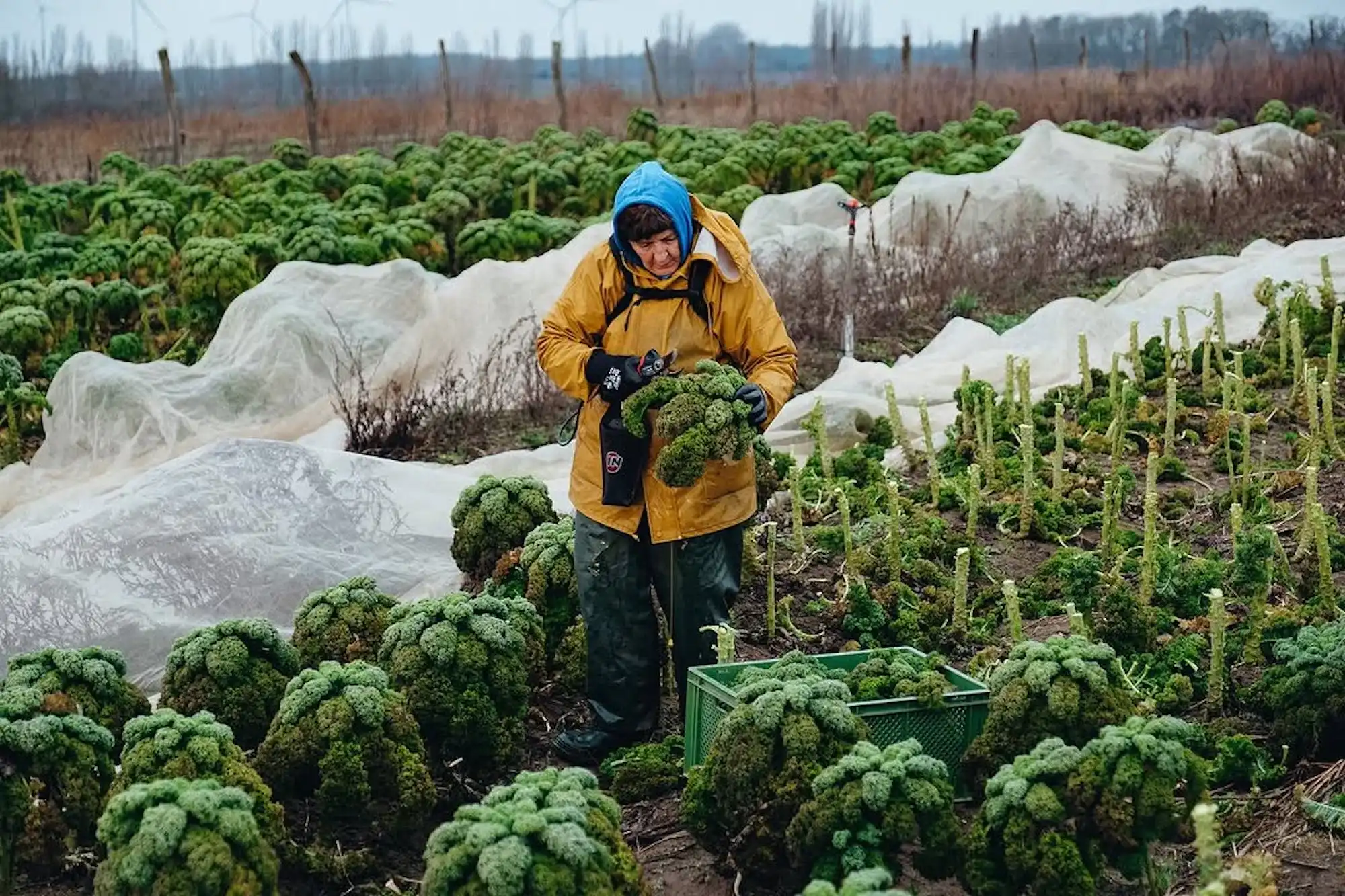
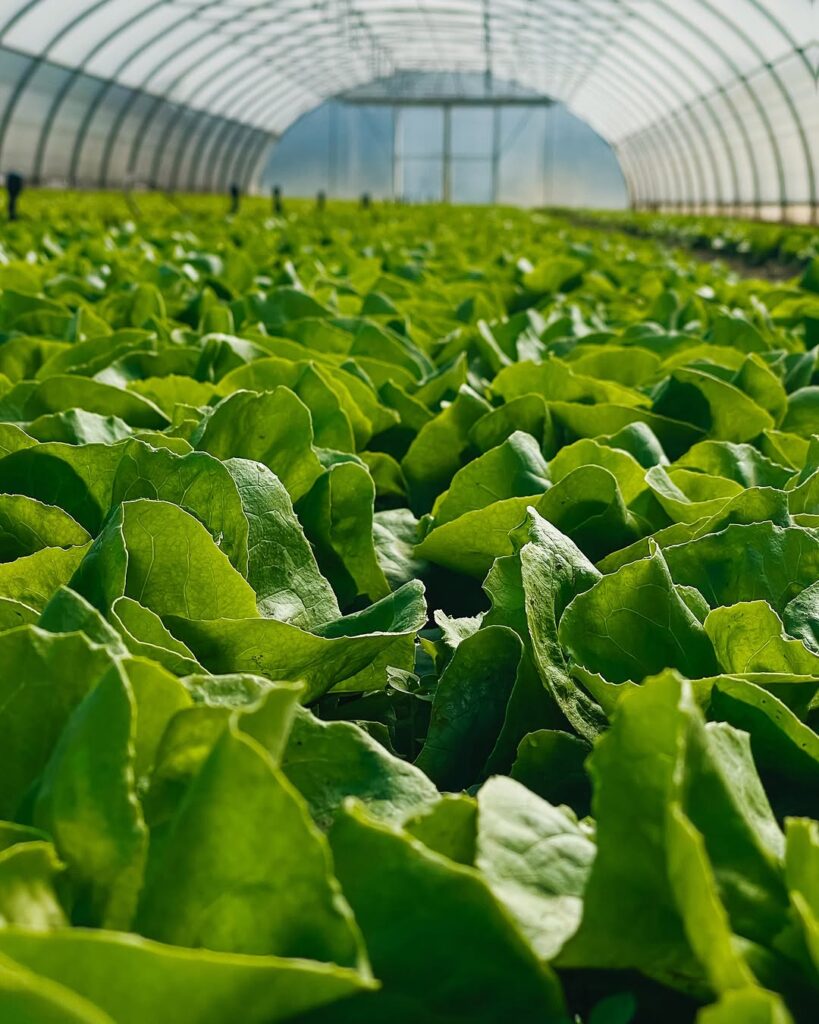
We cultivate a wide variety of vegetables to ensure a colorful harvest year-round. Our range includes over 50 different vegetables and herbs: potatoes, lettuces, onions, cabbage and root vegetables, as well as fruit vegetables such as tomatoes and cucumbers. Fragrant herbs such as basil, parsley, chives, sage, and thyme add a flavorful touch to the weekly harvest. We also care for an orchard with old apple trees that we’ve transitioned to vegan-organic farming. In the fall, we harvest fresh apples—and in good years, we even press our own juice! Alongside our winter vegetables, it’s a delicious seasonal bonus for your box during the colder months.
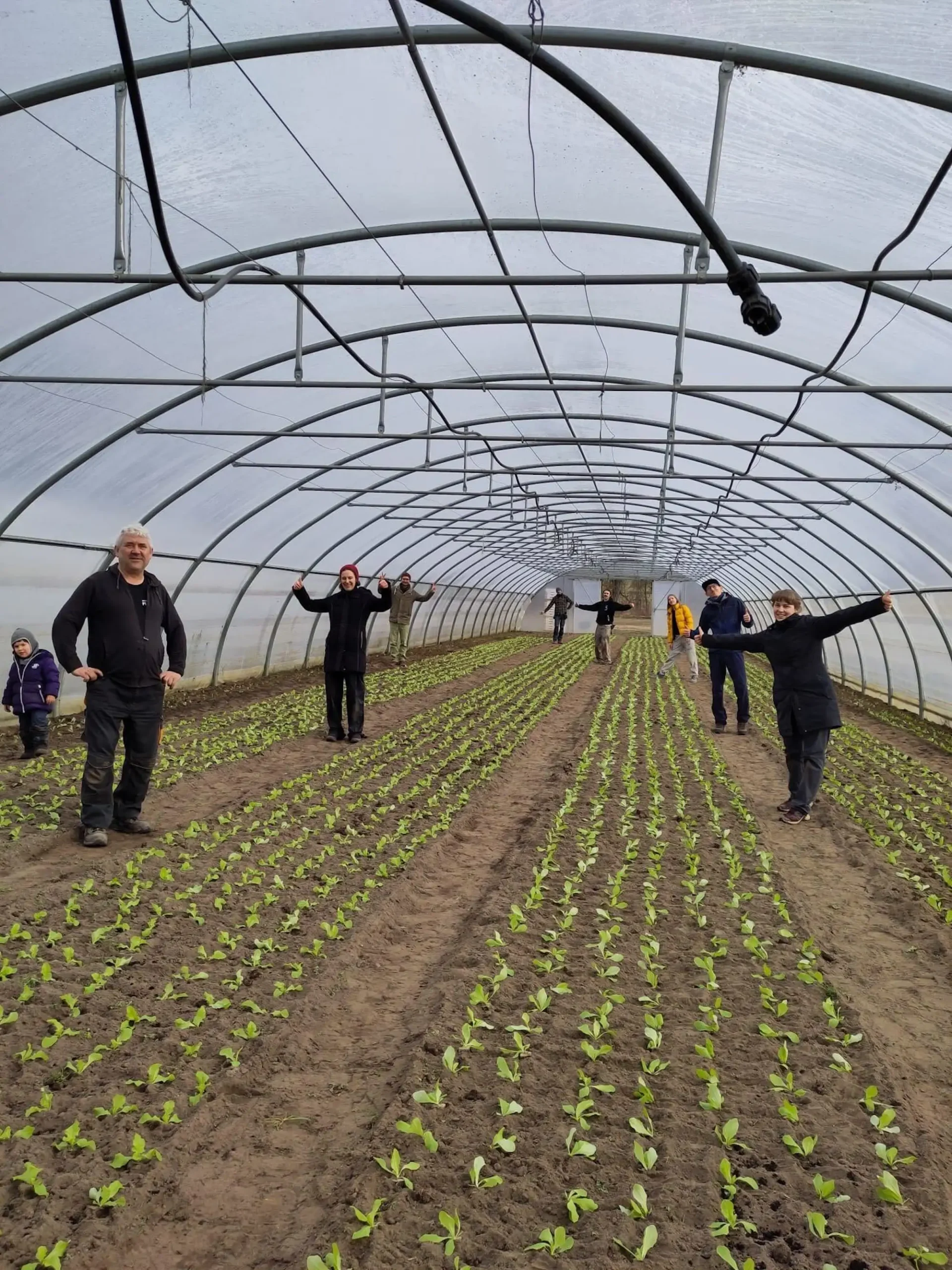
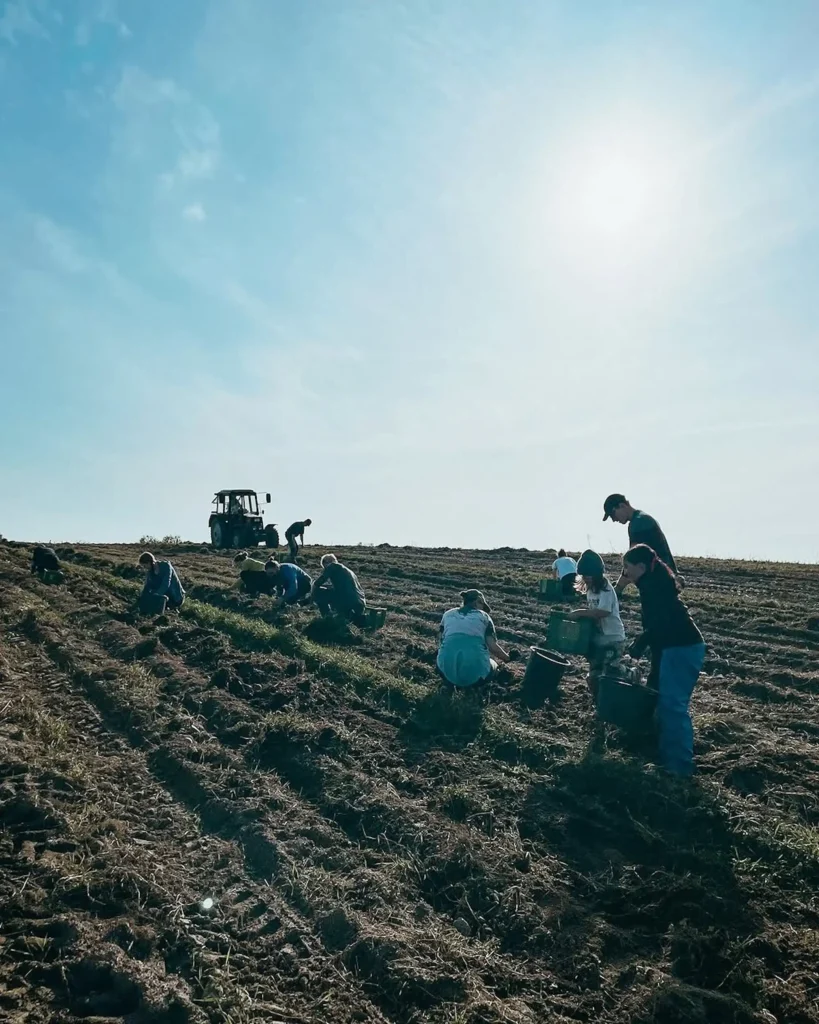
Our field team works year-round, planting, nurturing, and harvesting crops, packing your veggie crates, and keeping our machinery and infrastructure running smoothly.
From May to November, we need the support of seasonal workers to handle seasonal workload peaks.
While there’s no obligation for members of our Solawi Cooperative to lend a hand, we love when people get involved! Join us on our Farm Days to meet the team, get your hands in the soil, and experience firsthand where your vegetables grow.
PlantAge - the first biocyclic-vegan community-supported agriculture in Germany
Our agricultural approach is based on the principles of vegan-organic farming with a deeply ethical foundation to transform how food is grown. Since 2021 we’re proud to be Germany’s first biocyclic-vegan certified CSA-farm redefining what it means to grow food sustainably and compassionately.
As a solidarity-based agricultural cooperative, we completely reject animal-derived fertilizers like manure, slurry, horn meal, or slaughterhouse waste. Instead, we nourish the soil directly with plant-based materials, staying true to a vision of farming that respects all living beings and the planet.
Farming Techniques Regenerative. Restorative. Real.
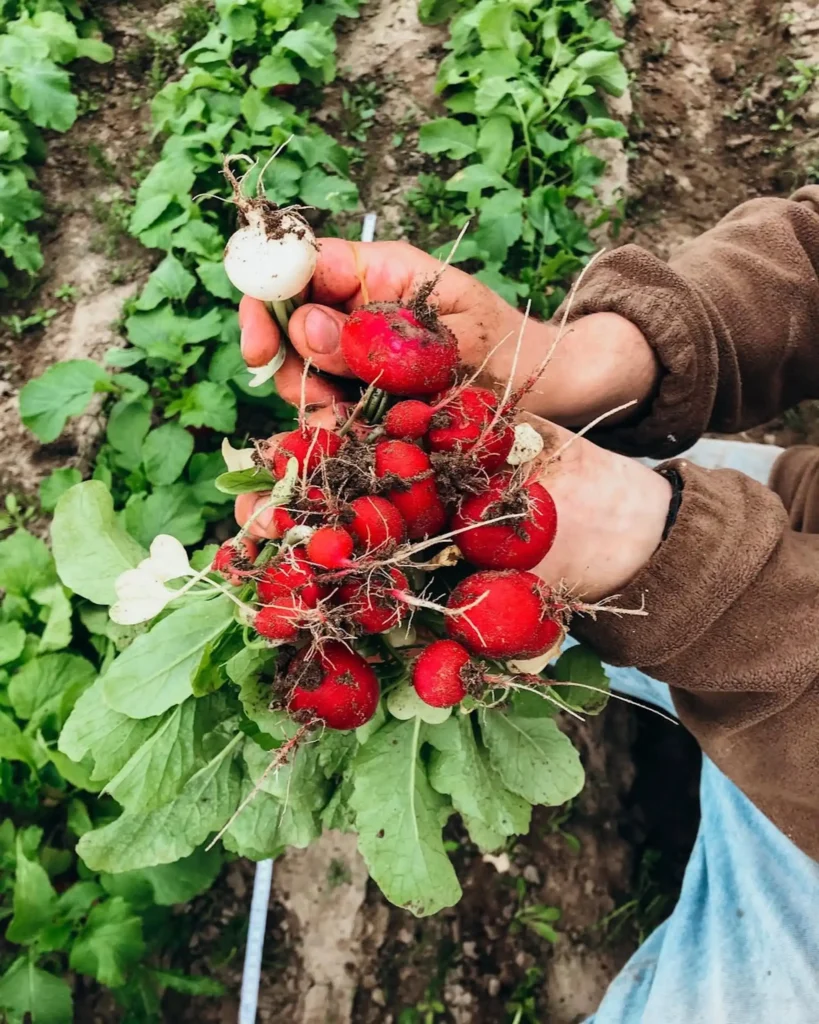
Our Cultivation Field Vegetables, Sustainable and Animal-Free
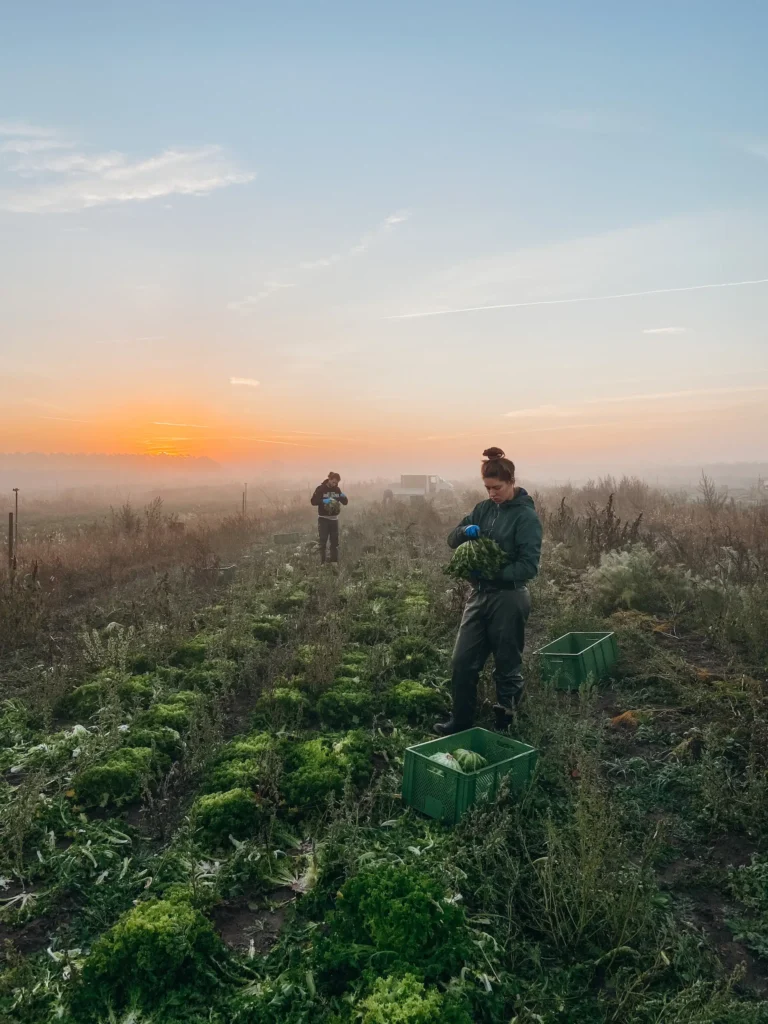
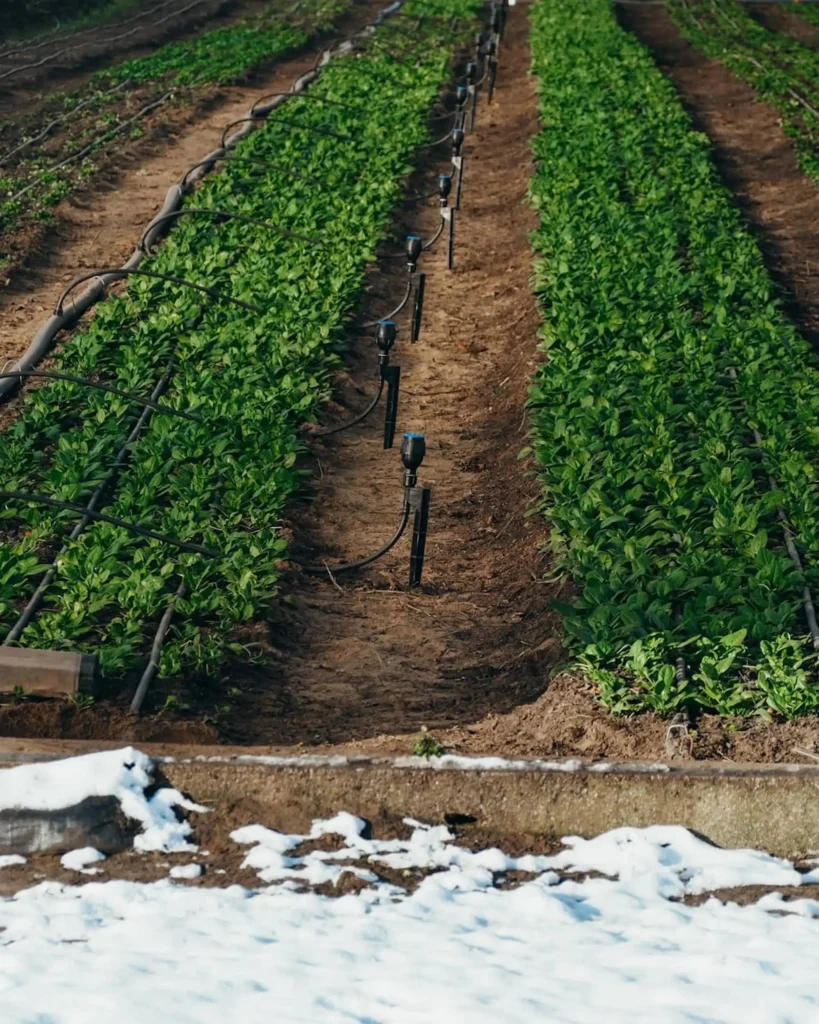
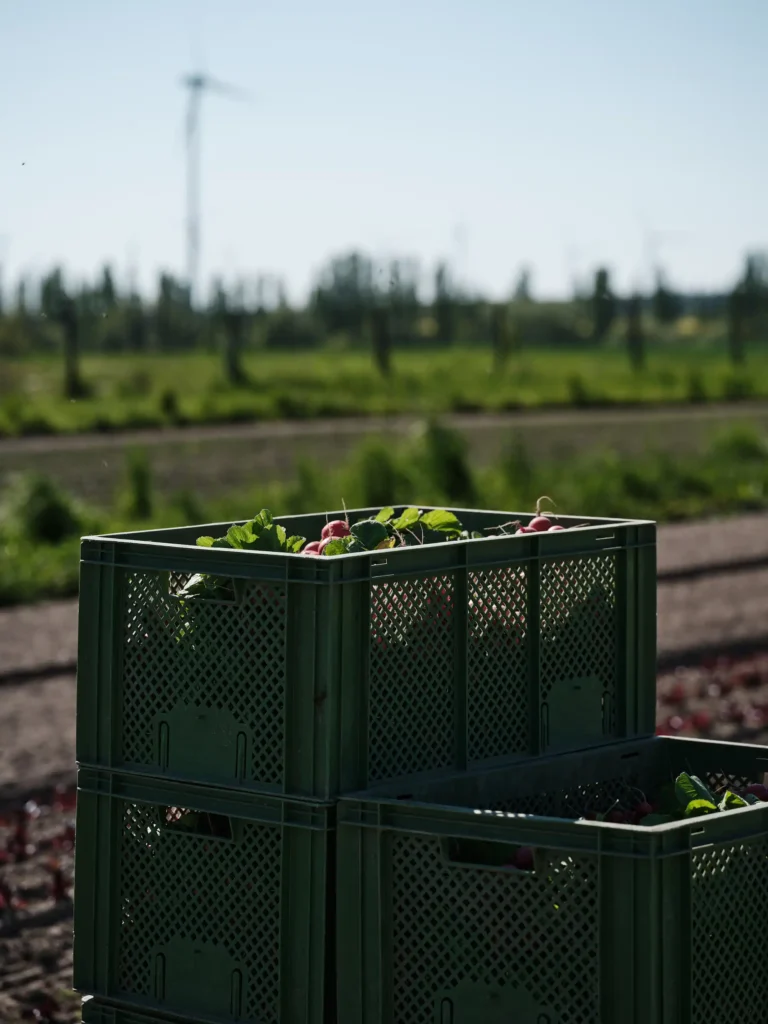
We grow our vegetables outdoors as field vegetables – using tractors and machinery, but always with the utmost care for the soil and the environment. We follow the principle of biocyclic vegan agriculture, which operates entirely without animal inputs.
This means: We consistently avoid animal fertilizers such as manure, slurry, horn meal, wool, or other by-products from industrial animal husbandry. Instead, we rely on plant-based cycles that enable healthy, fertile soils in the long term – entirely without animal suffering.
To ensure our soils remain vibrant and nutrient-rich in the long term, crop rotation and green manure are integral parts of our cultivation planning. Through targeted cover cropping, we protect soil structure, promote soil biodiversity, and suppress unwanted weeds – all naturally.
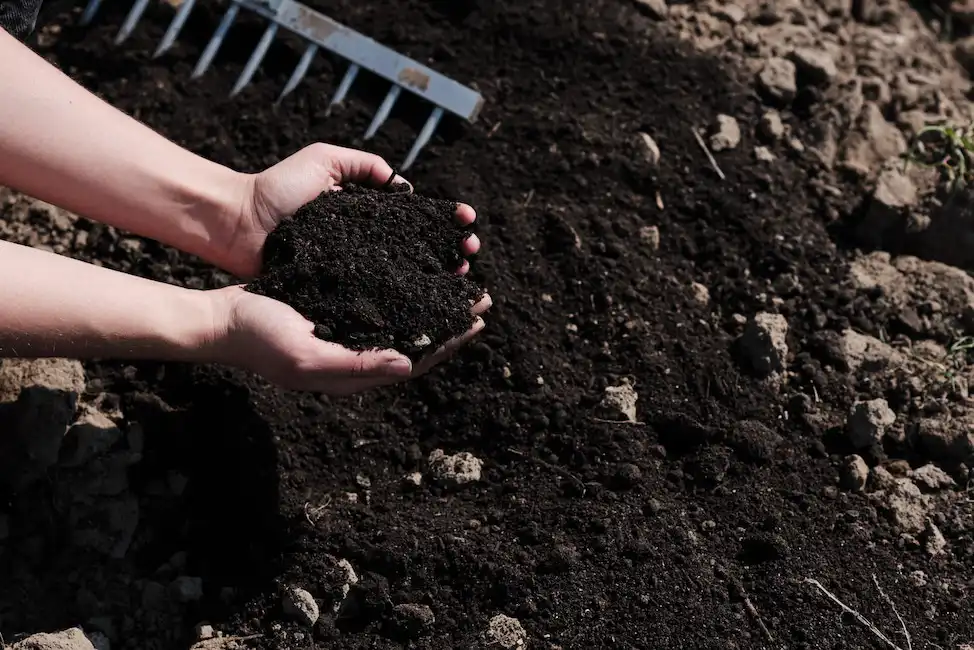
Another important component is our own compost, which we produce directly on the farm from green waste and harvest surpluses. In this way, we close nutrient cycles and return to the soil what we take from it.
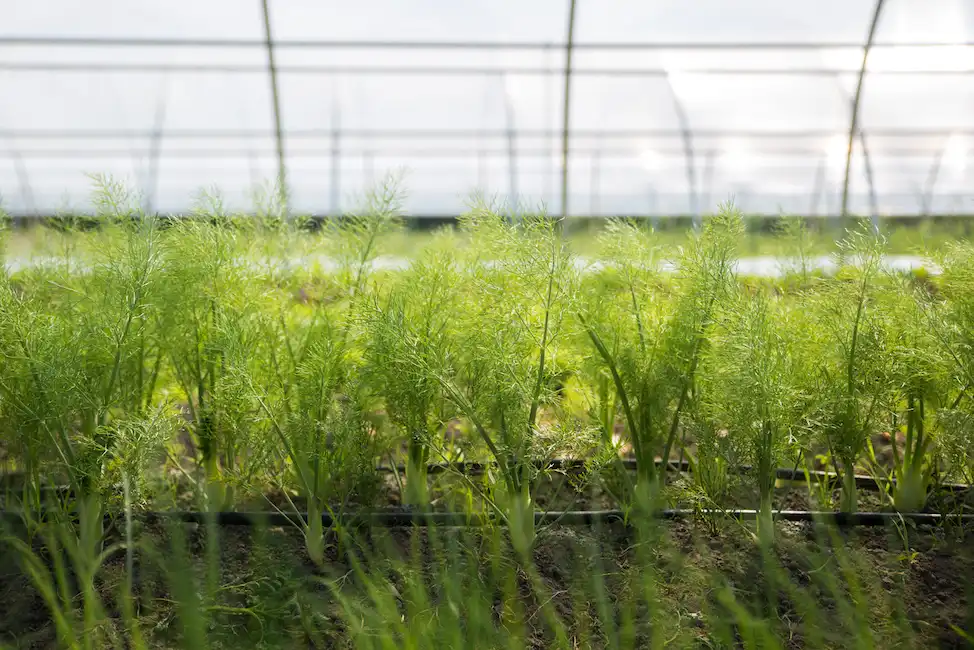
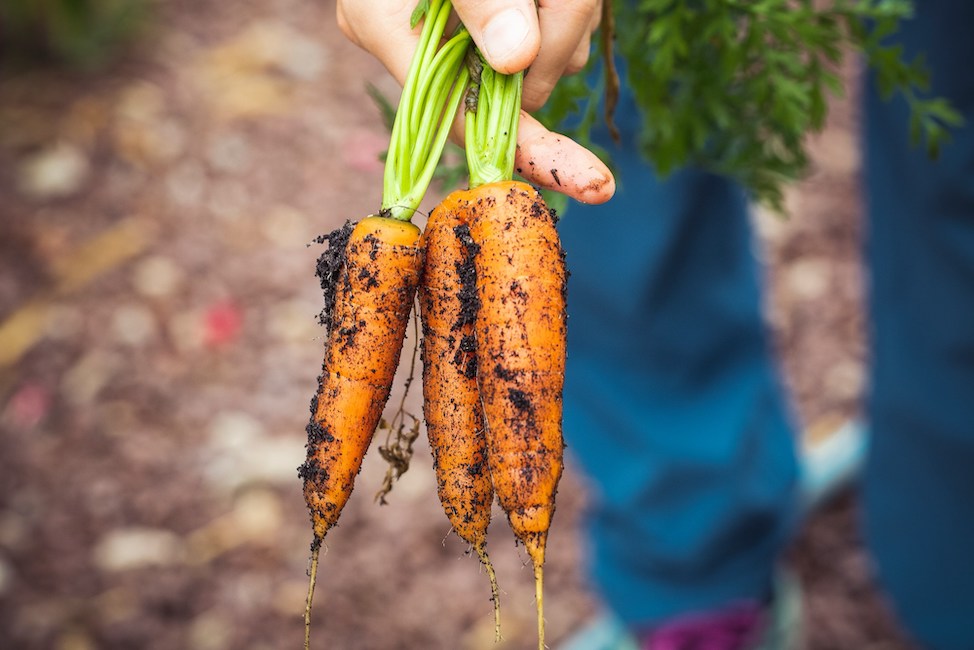
Transparent & Effective
Thanks to Soil Analysis
A Science in Itself
Compost & Plant-Based Fertilizers:
Rich compost, malt germ pellets, clover grass, and other plant-based inputs keep our soils nutrient-dense and thriving.
Mulching:
We layer straw and organic matter over our beds to lock in moisture, feed the soil, and outsmart weeds—especially vital during hot summers.
Green Manure:
We grow legumes like vetch that enrich the soil naturally by fixing nitrogen in partnership with underground fungi.
Diverse Crop Rotations:
Over 50 crops rotated strategically to enhance biodiversity, prevent pest outbreaks, and avoid nutrient depletion.
No monocultures. No chemicals. No compromise.
Why biocyclic vegan?
Many people who follow a vegan diet are often asked: “Where do you get your nutrients from?” The answer is: everything that humans need – proteins, vitamins and minerals – can also be found in plants. The same applies to plant nutrition. Instead of using animal products as a way station, we transfer the nutrients directly from the plant to the vegetable.
Certified Bicyclic-vegan Since 2021
As our farm continues to grow each year, some of our fields are still going through the official organic conversion process. Due to legal certification rules, this means that:
- In the first year, even with strict biocyclic-vegan practices, the produce must be labeled as “conventional."
- In the second year, it’s considered “in-conversion.”
- Only by the third year can it be officially recognized and sold as “organic.”
We’re fully committed to our principles from day one, but certification takes time—and we’re transparent with our community every step of the way.
To make your boxes more diverse, especially during winter and spring, we sometimes source additional vegetables from befriended farms in the region, such as Biohof Zielke, which are not themselves certified as biocyclic-vegan.
Every week, we keep our members transparently informed through our Veggie Newsletter, sharing updates and insights about the harvest.
Thriving Habitat - Not livestock
Though we don’t raise animals, we create space for life to thrive. Our fields are alive with pollinators, earthworms, beneficial insects, and wild species. Every ecosystem we build supports biodiversity from the ground up.
Sustainability and Future Food Security
Our model is built for long-term food security. By skipping the “animal detour,” we cut land use in half, freeing up more space for forests, ecosystems, and rewilding. This approach reduces the amount of land required per capita by up to 50%¹.With the climate crisis looming and the population rising, this is essential.
Learn More
Supporters of Biocyclic Vegan Cultivation eV (Förderkreis Biocyclic-Veganer Anbau eV ) :
A central contact point with comprehensive information on biocyclic vegan guidelines, the quality seal, and practical assistance for farmers and interested parties. Here you will also find many other well-founded answers to frequently asked questions about biocyclic vegan cultivation!
“Vegan Organic Farming” project :


